Inserting Zippers Part 1

One of the techniques which I often find causes a lot of angst for students is inserting zippers.  As with lots of other sewing techniques, there are numerous ways to insert a zipper and I am sharing the methods that I have found give consistently good results in various situations.  There will always be exceptions and these will be covered in future posts.

Wherever possible, inserting a zipper into the garment while the sections are flat and before it is fully assembled will make the process easier.

In this post, I will cover some general things to consider when choosing a zipper and preparing to insert it into the garment.
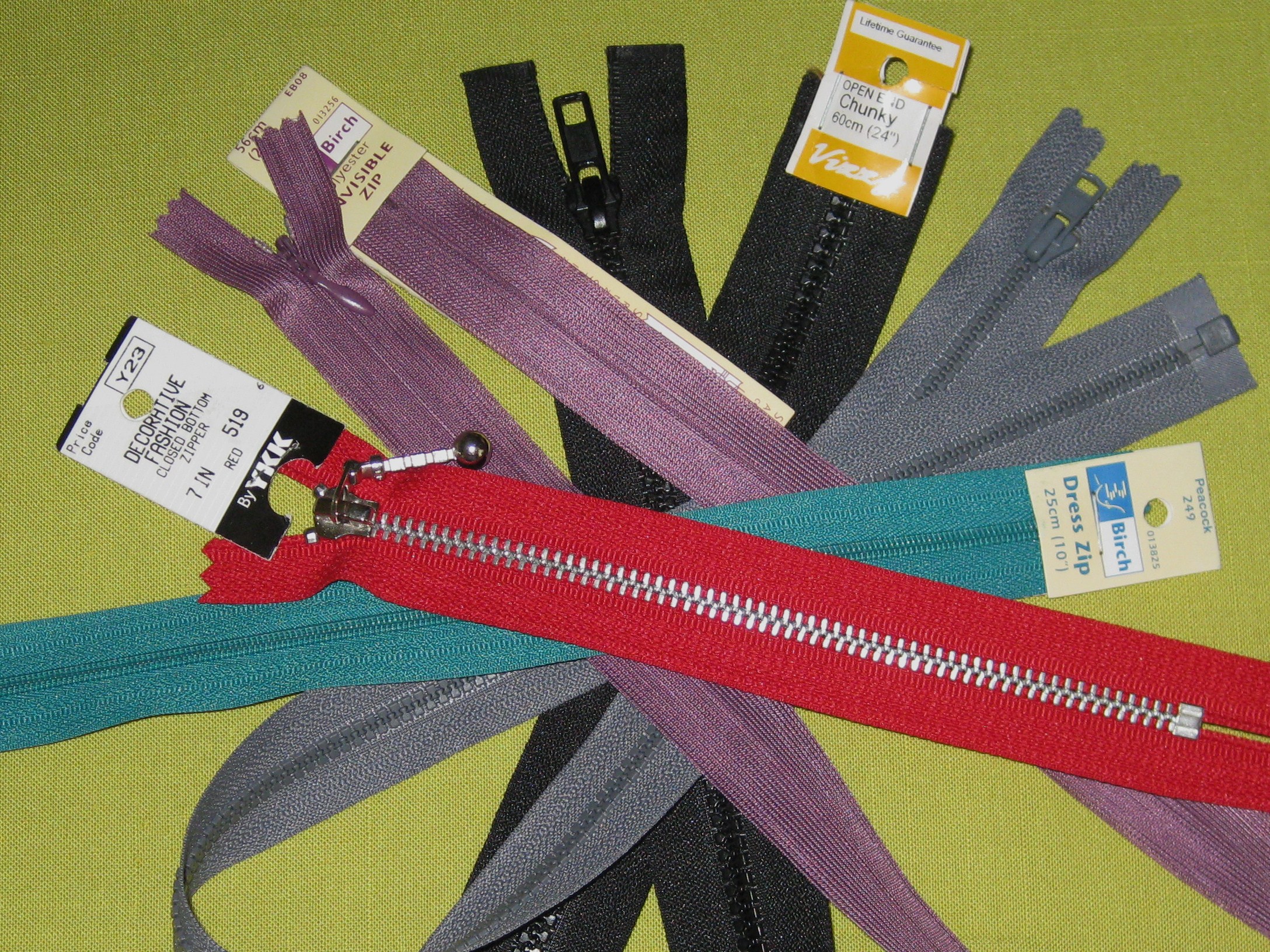
Assorted zippers

Assorted zippers

General Tips:

  • Be sure to buy the correct type of zipper for the garment:
  • Dress or invisible zip (polyester zipper coils) for ladies garments, including pants
  • Use a metal zip and fly protector in ladies jeans only if they are worn tight, otherwise a dress zip is much softer and less bulky in the garment
  • Check the zipper type information listed on the packaging. (Invisible zippers can also be open-ended which is not suitable for a regular application)
  • If using an open ended zipper, try to purchase a zip the exact length required (up to 2cm tolerance) as they are not easily shortened. If this is not possible, it will be necessary to modify the garment.
  • To avoid a “home-made” look, use below the waist zippers that are 20cm long or shorter, unless you are very tall – the exception being the use of a zipper as a feature on the face side of the garment.
  • To shorten a zipper:
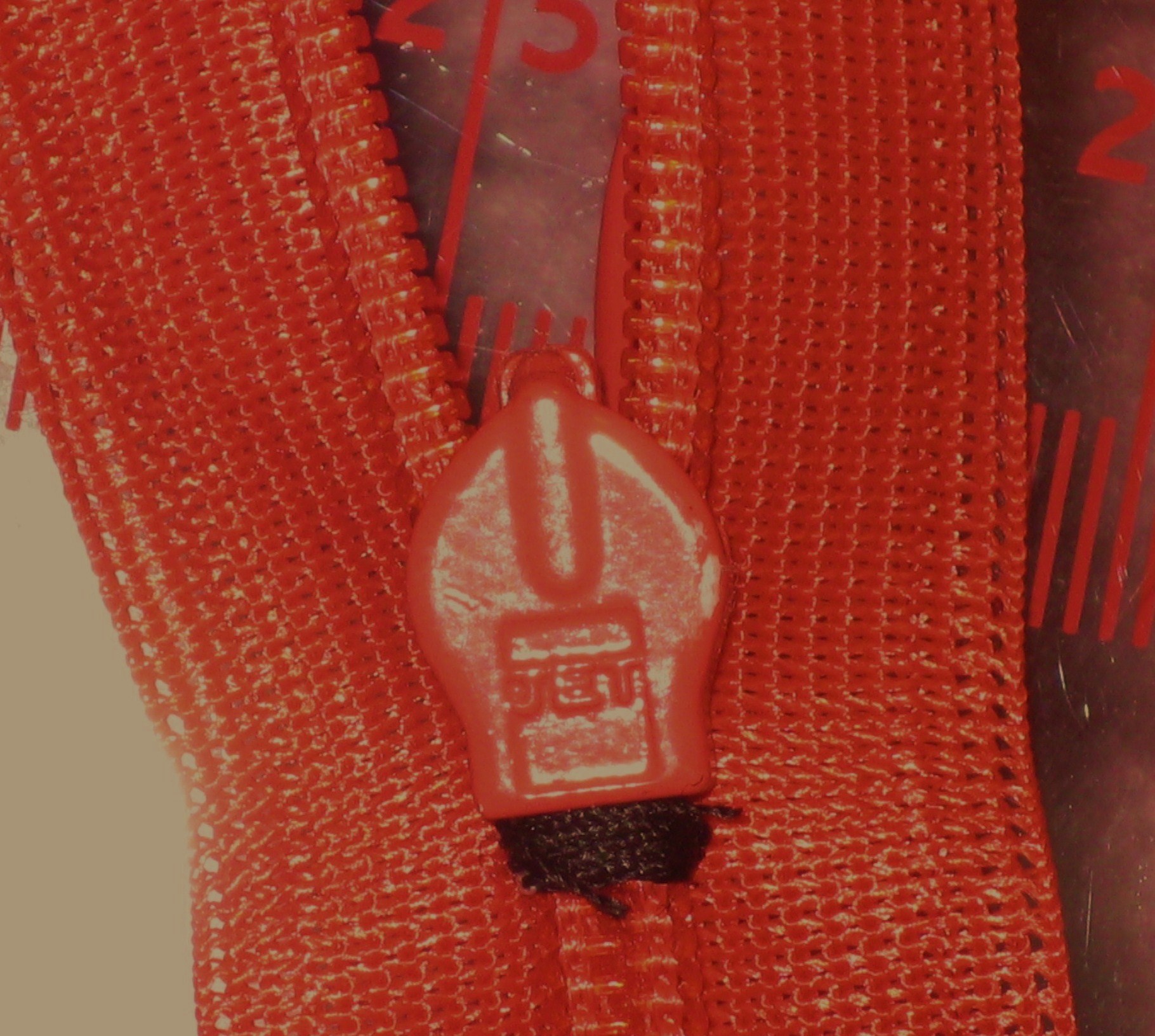
  • Close the zipper and, beginning at the top stop, measure and mark the desired zipper length
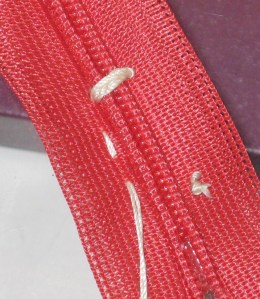
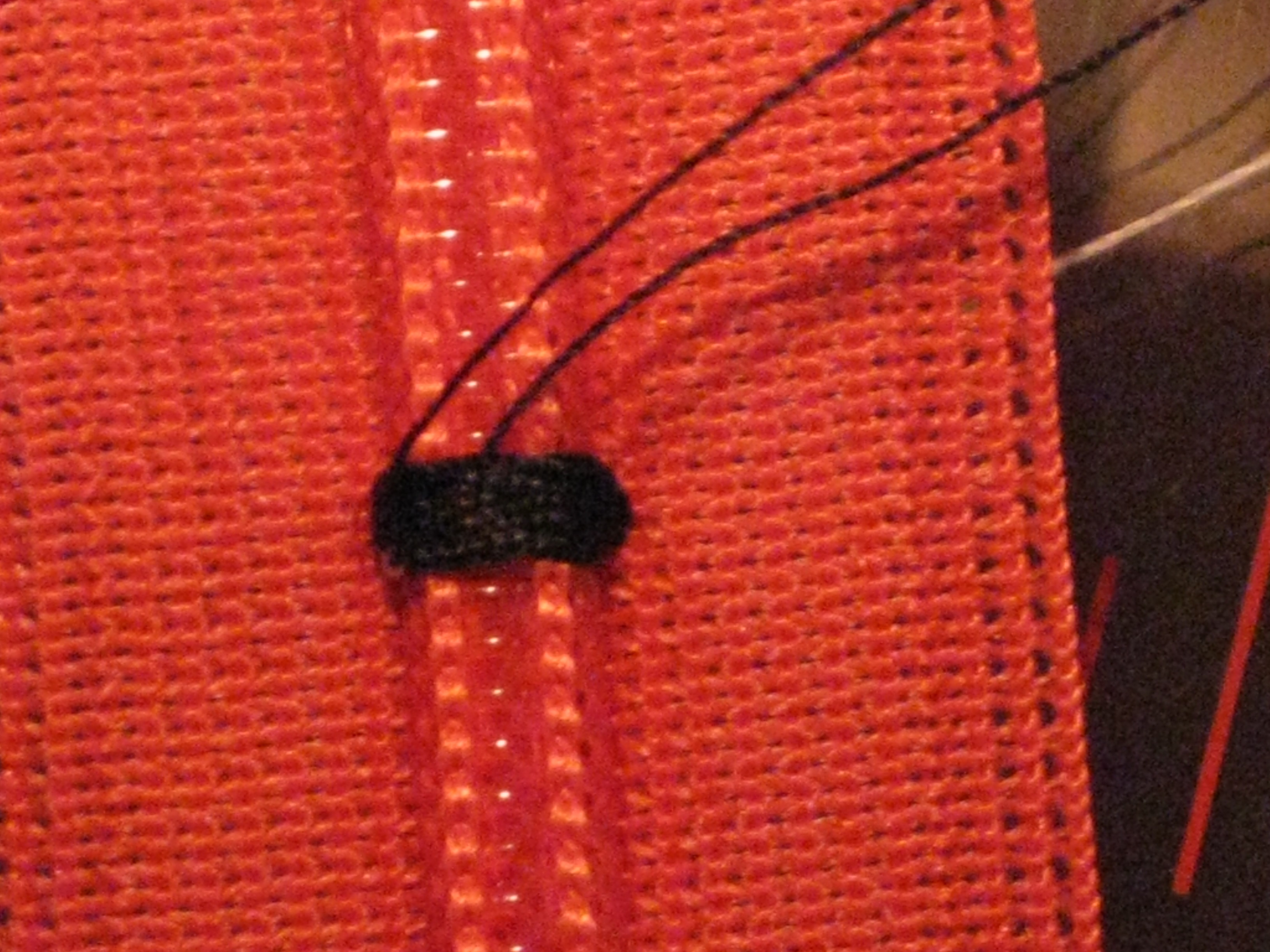
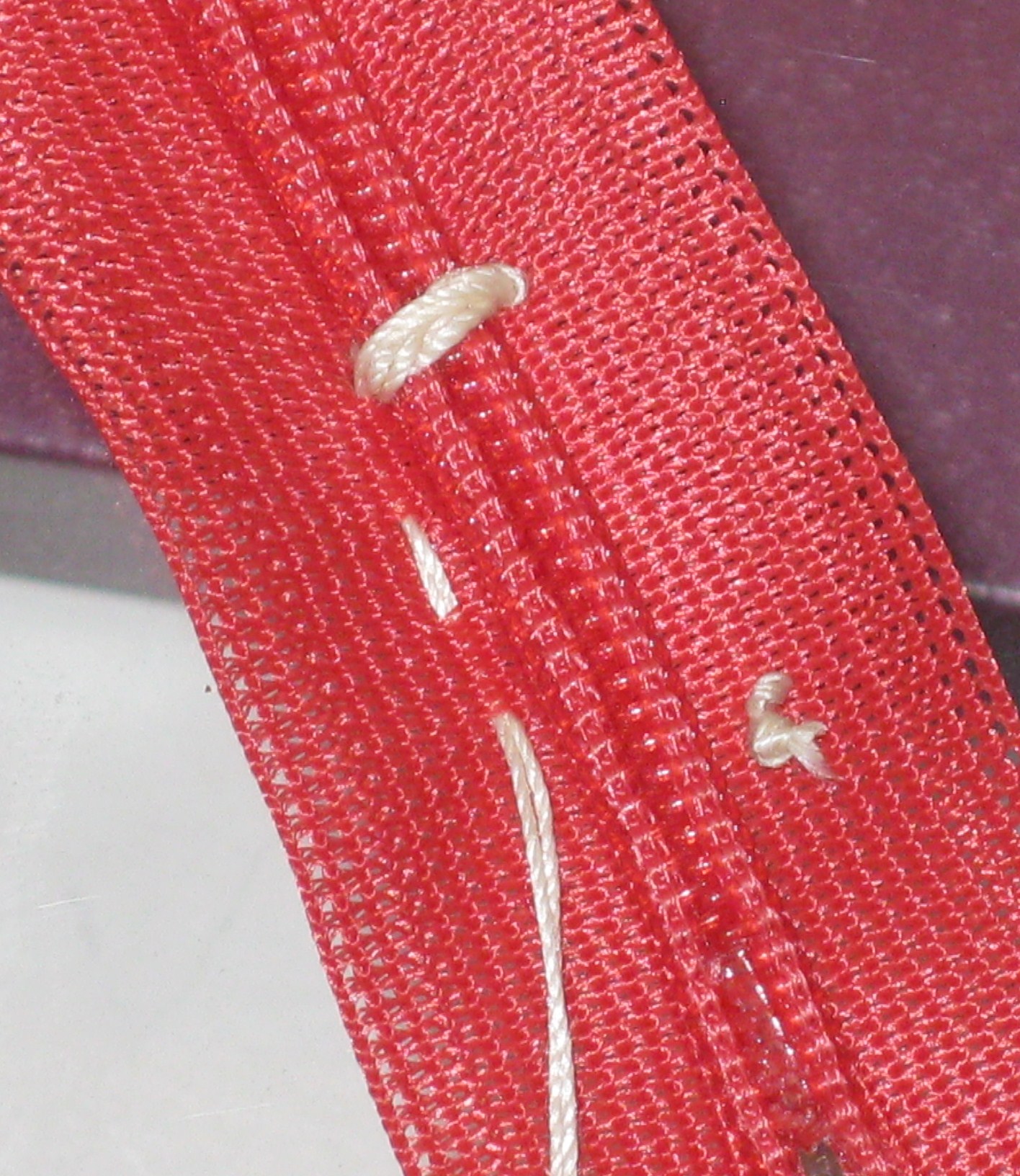
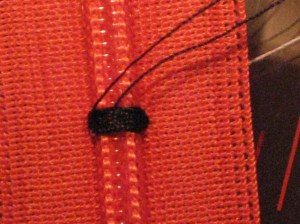
  • Using a zigzag (SW5.0, SL0.4) sew a bar tack across the zipper end closest to the metal stopper at the marked length OR thread a hand needle with topstitching thread and make several passes over the coils at the desired length
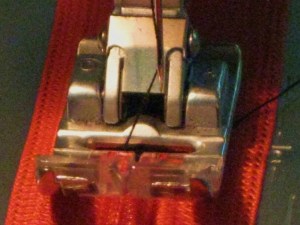
    Centre foot over zipper coil
    Centre foot over zipper coil

    Machine bar tack
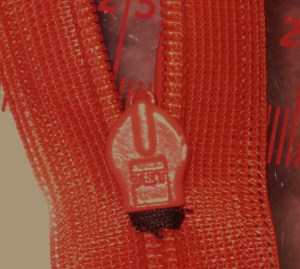
    Machine bar tack

    Photo 2c Machine Bar Tack

    Use thicker thread to make a hand bar back

    Use thicker thread to make a hand bar back

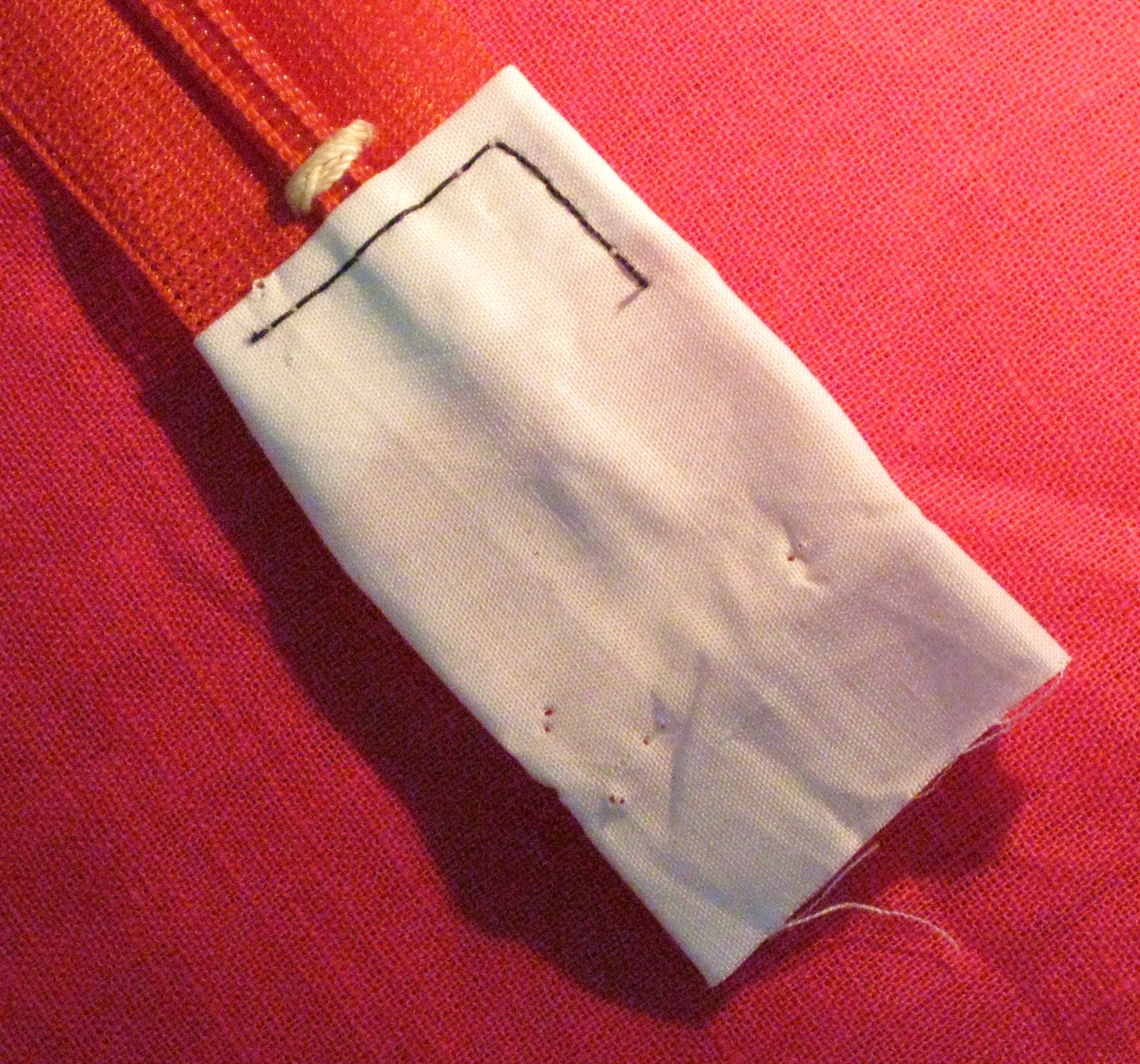
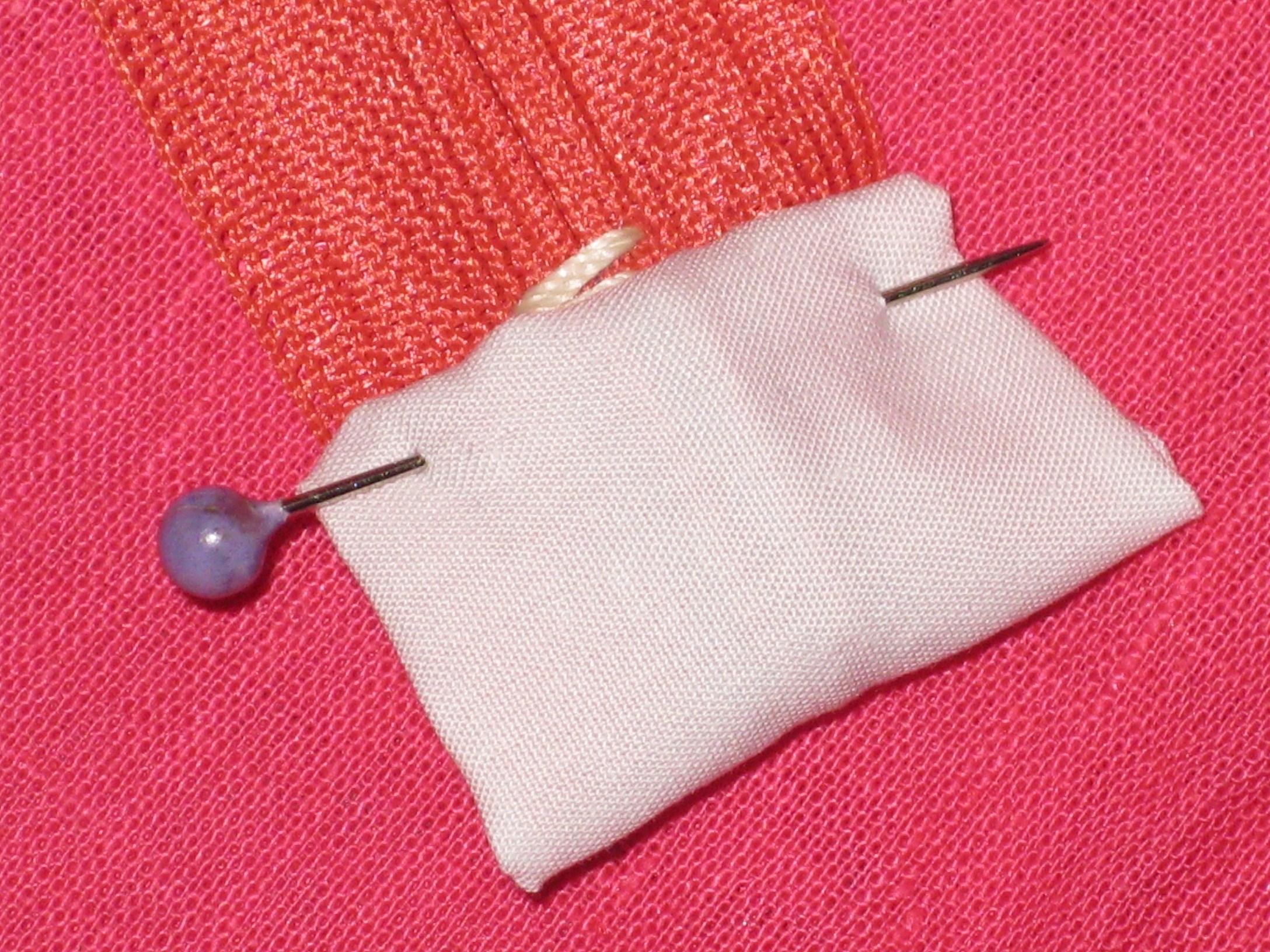
    • cut off the zipper about 20mm below the bar tack
    • stitch a piece of ribbon or fabric binding at the bottom of the zipper
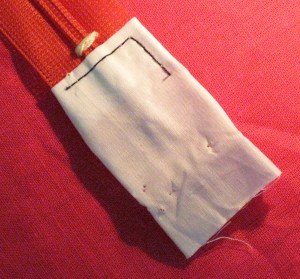
    Folded piece of fabric used to cover cut end of zipper - stitch in place on one side

    Folded piece of fabric used to cover cut end of zipper – stitch in place on one side
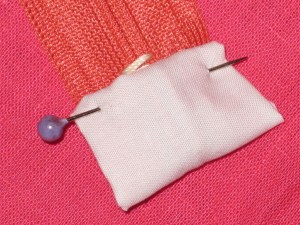
    Fold to other side and stitch in place

    Fold to other side and stitch in place

    • When using a lapped zipper application, cut 2cm (1inch) seam allowances in area of zipper opening to allow  for easier insertion and room to cover the zipper coil properly
    • Set the zipper before assembling the garment while the sections are still flat
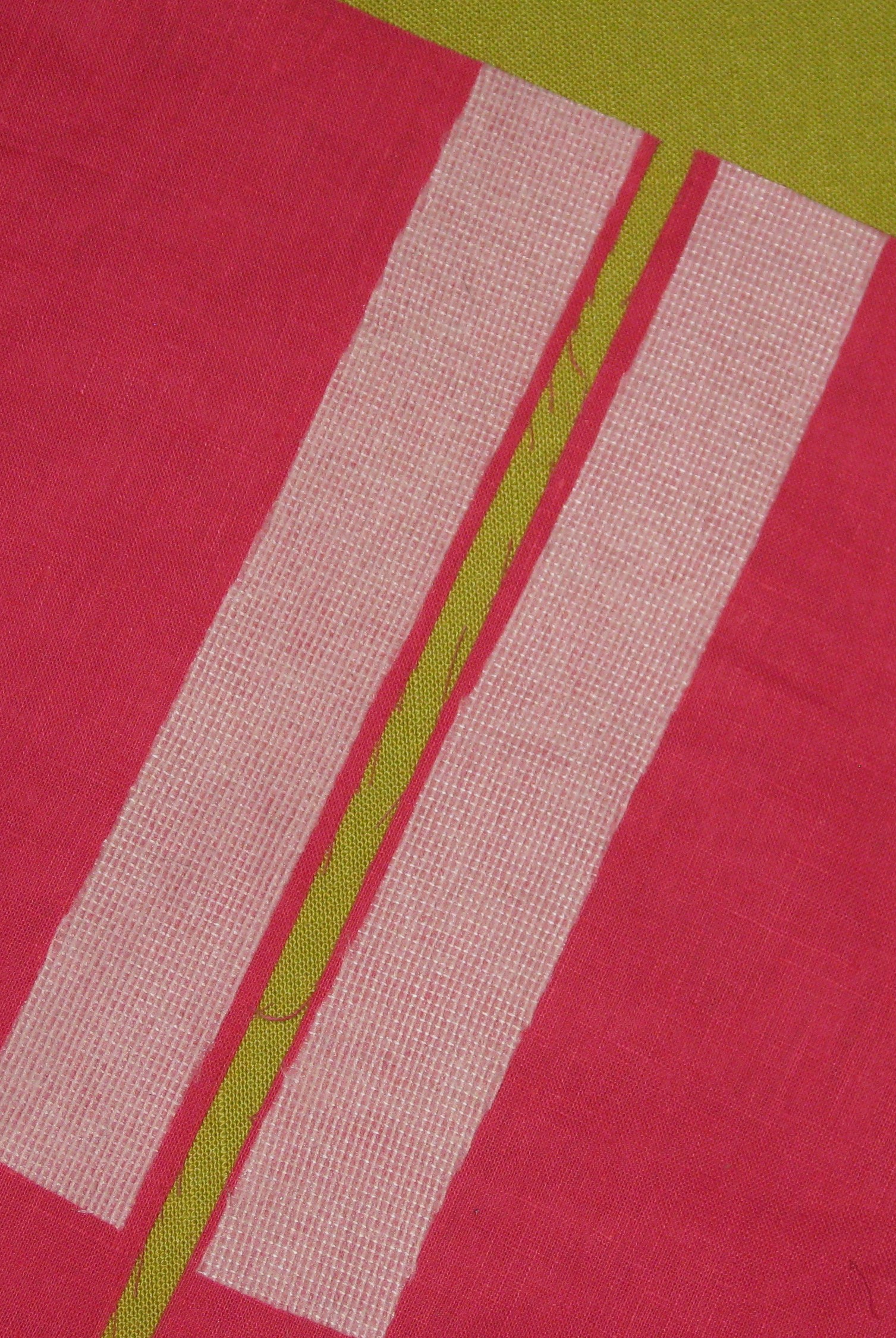
    • “Stay” the zipper opening with a 1.5-2.00cm wide strip of fusible interfacing on the wrong side of the seam allowances
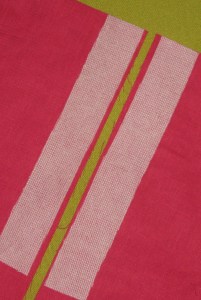
     

    Fuse straight grain strips of interfacing to support the seam allowance where zipper is inserted

    Fuse straight grain strips of interfacing to support the seam allowance where zipper is inserted

    • Finish the seam allowances, either by overlocker or seam finishing stitches on sewing machine, before the zipper is set
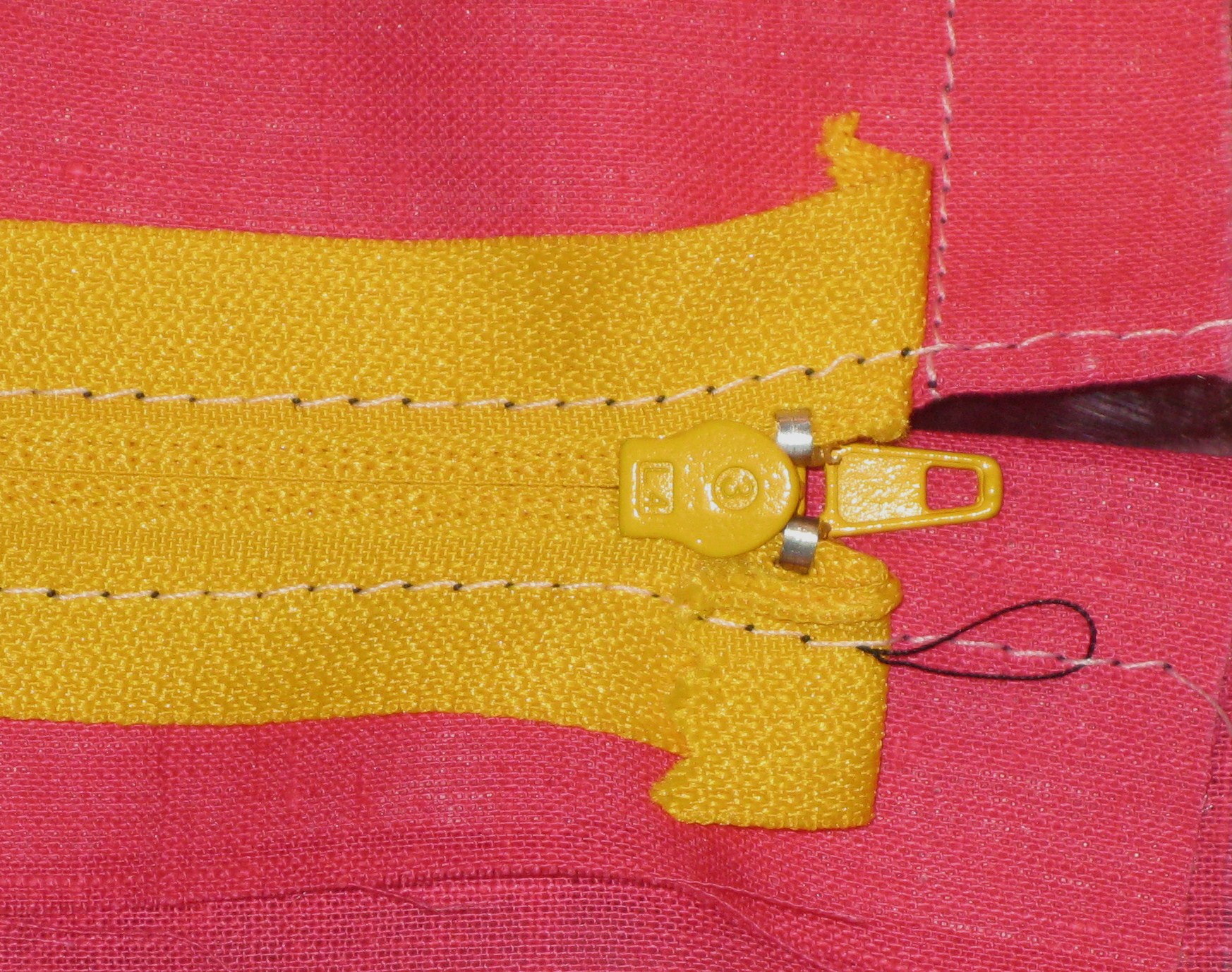
    • When a zipper is inserted into a side seam in a top, it can be reversed so that the pull will not rub under the arm – the zipper will open by drawing the pull upwards towards the armhole
    • When a separate waistband is being applied,  use a zipper which is a couple of centimetres longer than the zipper opening – this will avoid sewing around the zipper pull
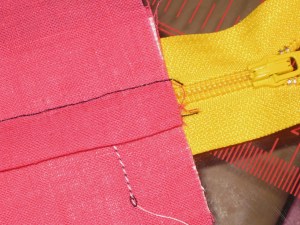
    Avoid difficulty sewing around zipper pull if attaching a separate waistband

    Avoid difficulty sewing around zipper pull if attaching a separate waistband

    • When using a facing, do not sew the zipper tape beyond the stop at the top of the zipper – tapes are folded back and stitched in place to later be covered by the facing – this results in a neat finish at the top without lots of bulk from the zipper tape (this technique will be covered in my next post)
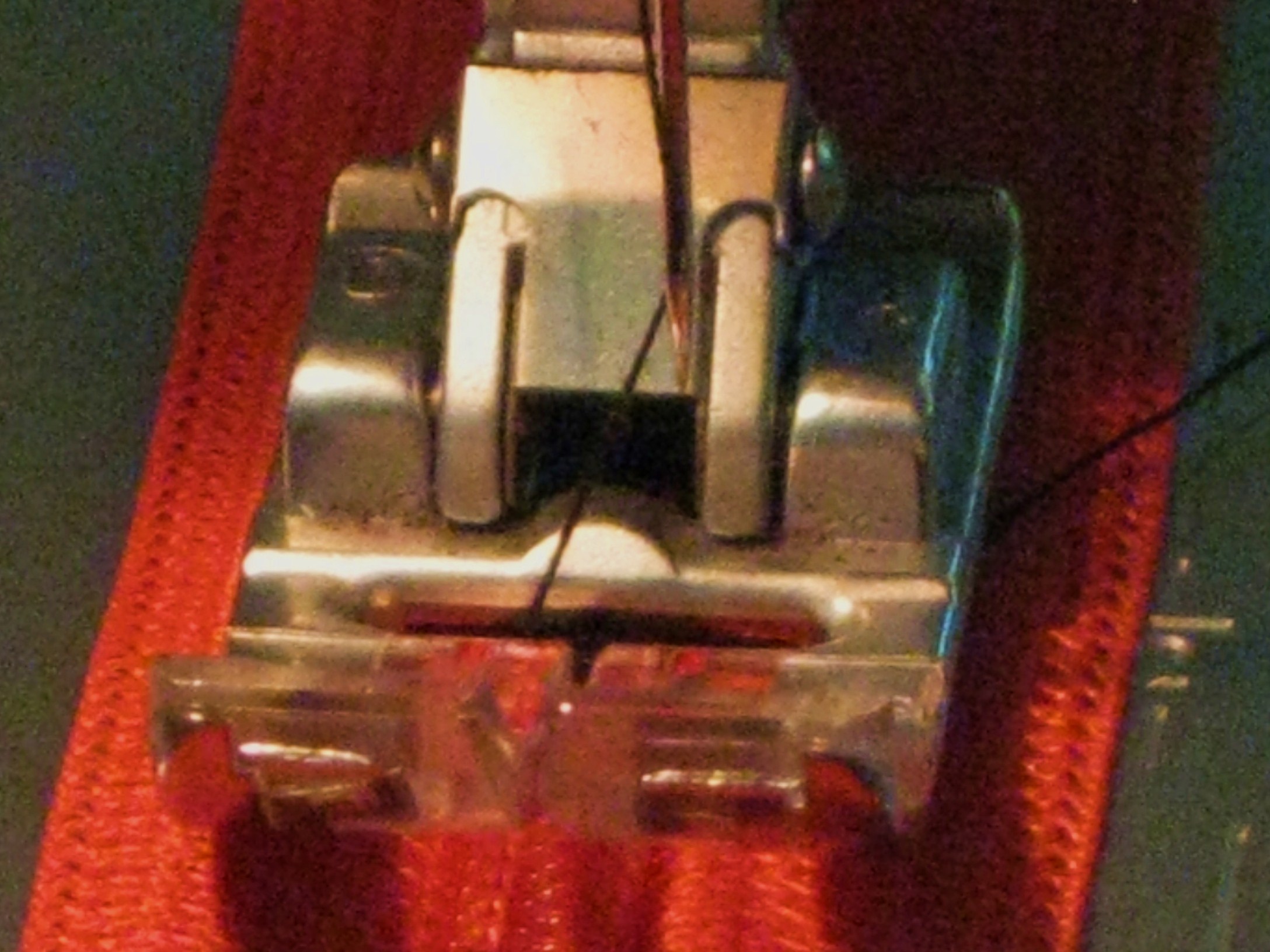
Fold top of tapes  back below level of seam line and stitch in place.

Fold top of tapes back below level of seam line and stitch in place.

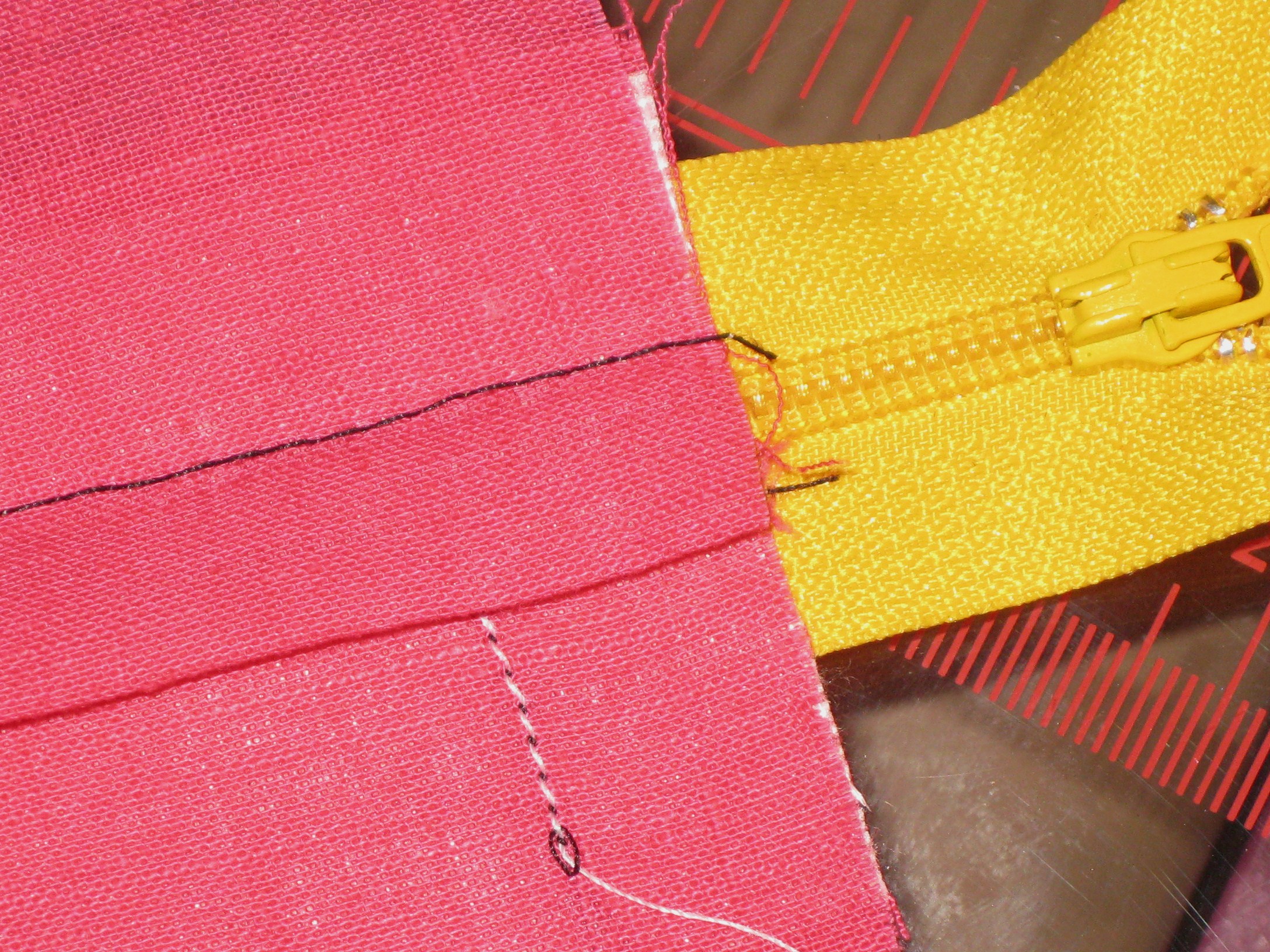
  • When inserting an invisible zipper, key the ends of the zipper tape and the garment in contrast thread to mark the stitching/seam line
  • Stay stitch garment just inside the seam line and clip the stitching between
Keeping cut edges even, stitch just inside the seam allowance across both garment pieces.
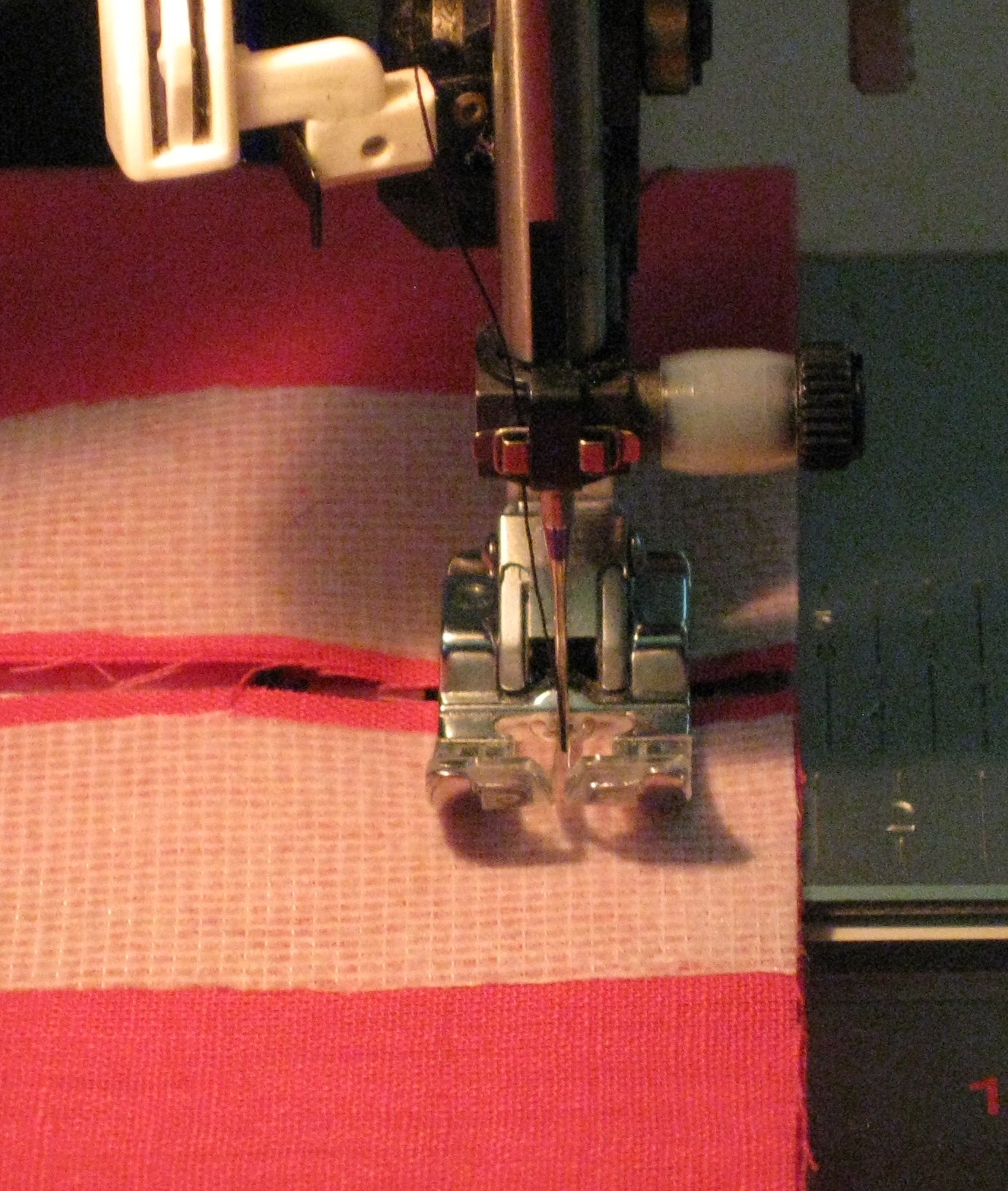
Keeping cut edges even, stitch just inside the seam allowance across both garment pieces.

Keeping cut edges even, stitch just inside the seam allowance across both garment pieces.

Keeping cut edges even, stitch just inside the seam allowance across both garment pieces.

  • Clip stitching to separate.

    Clip stitching to separate.

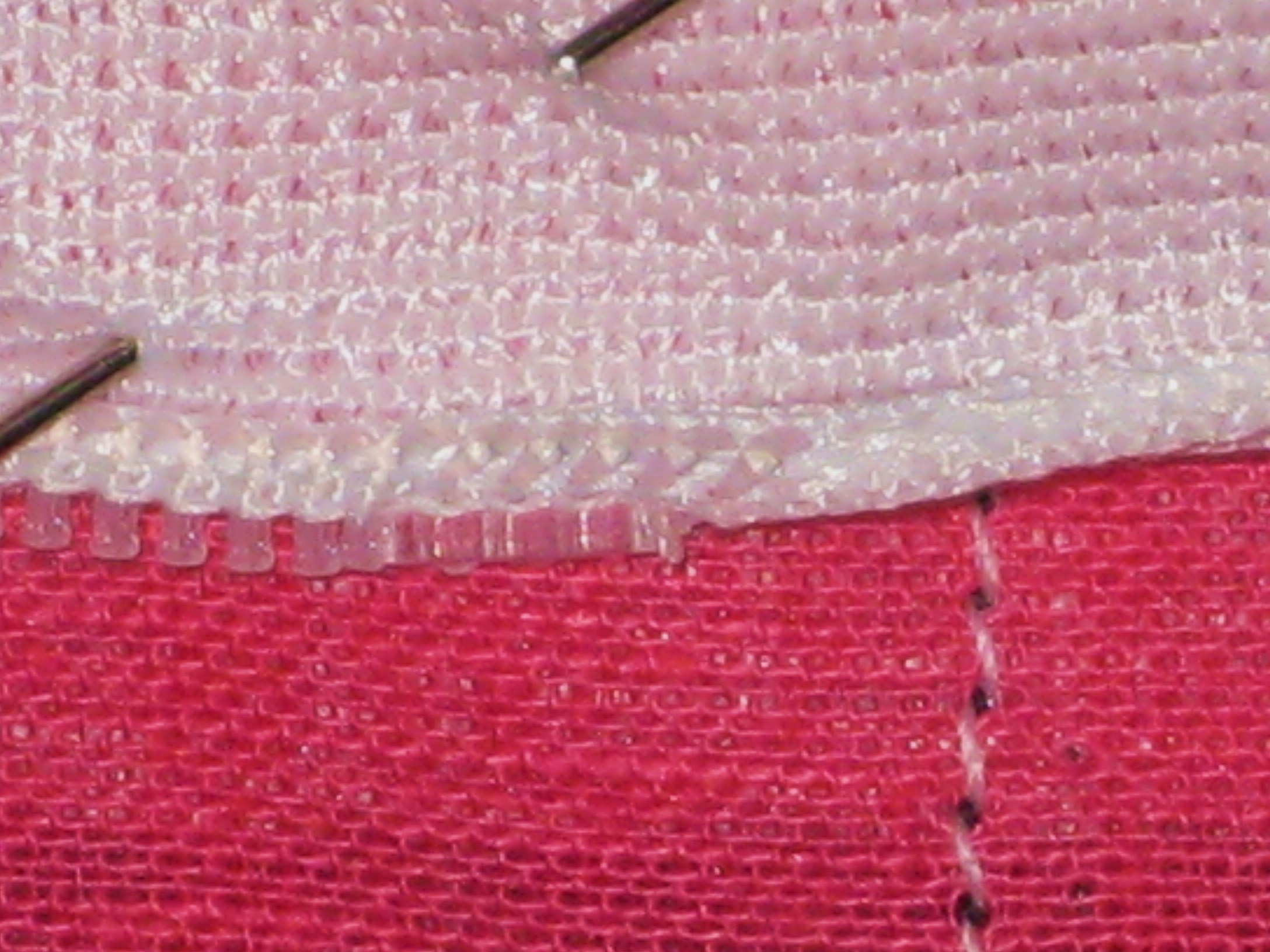
    align the stitching on the zipper to the stitching on the garment when setting the zipper
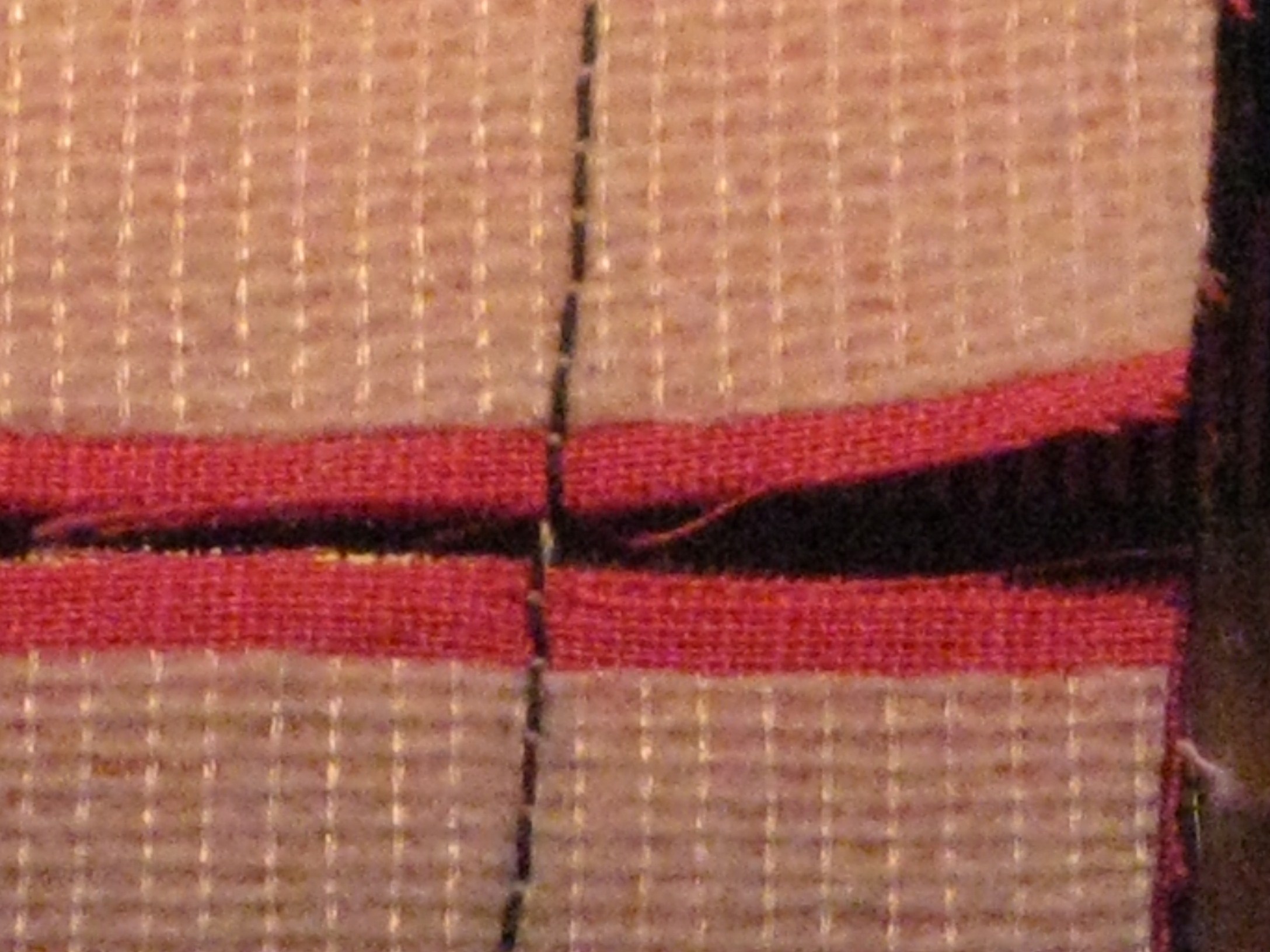
Align top of zipper just under the keyed stitching line

Align top of zipper just under the keyed stitching line

  • allow 3mm between the top stop and the seam line when using a waistband, and
  • 6mm between the top stop and the seam line when using a facing

Next week, I will cover a lapped zipper application and how to deal with a facing at the top.
Getting the best from fabric

How often do we buy a new pattern and fabric and, full of excitement about our new venture, rush to cut it out and sew it together? Often this happens with only a cursory glance at the pattern envelope to see how much fabric is needed (and sometimes a quick look at the cutting layout suggested in the guide sheet) with no thought at all about the actual details of the print on the fabric.
Before starting a new project, it is a great to think about where we will wear it and how great we will feel , however, having a close look at the fabric and giving some consideration to how to use the print to its best effect will greatly improve the result and our satisfaction with the end result.
Taking this considered approach can greatly affect the finished outcome and take a “simple” garment to a higher level entirely.
What do I mean about the details of the print?
When the print is small and with no obvious directional pattern (Figure 1 below), the layout in the guidesheet is usually fine. However, some fabrics have an obvious repeat (Figure 2 below) or one way pattern (not always obvious at first glance) and the finished garment would look a little strange with the pattern running up the front and down the back. One of the best ways to check for a one way pattern is to stand a few metres away from the fabric and have a look – this will often highlight what we can miss when looking up close.

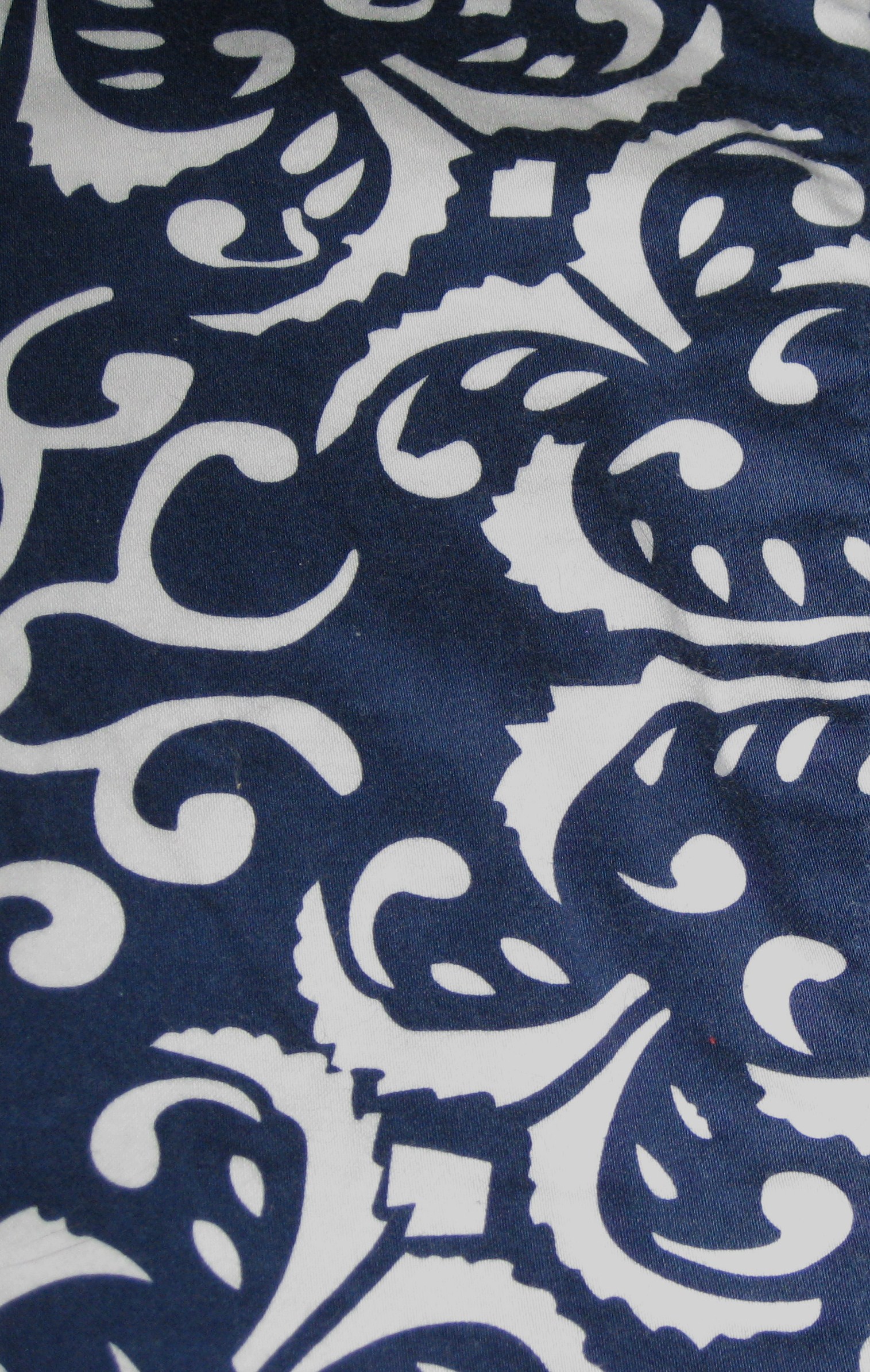
No obvious pattern to match

No obvious pattern to match

Obvious pattern needs to be matched

Obvious pattern needs to be matched

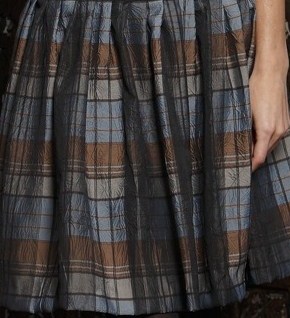
When a print is very distinct, for example the plaid below, it needs to be matched horizontally and vertically as much as possible so the balance of the plaid is not disturbed.

Definite pattern which needs to be matched horizontally and vertically.

Definite pattern which needs to be matched horizontally and vertically.

There are lots of readymade garments where this has not been done and the whole effect can be spoiled.
This is where the benefit of careful observation comes into play. By measuring the length of the pattern repeat (in the example from the top of the tan colour bar to the top of the next tan colour bar) you can calculate how much extra fabric will be needed to allow a perfect match at the side seams. The usual amount of extra fabric is the length of the pattern repeat for each major pattern piece.

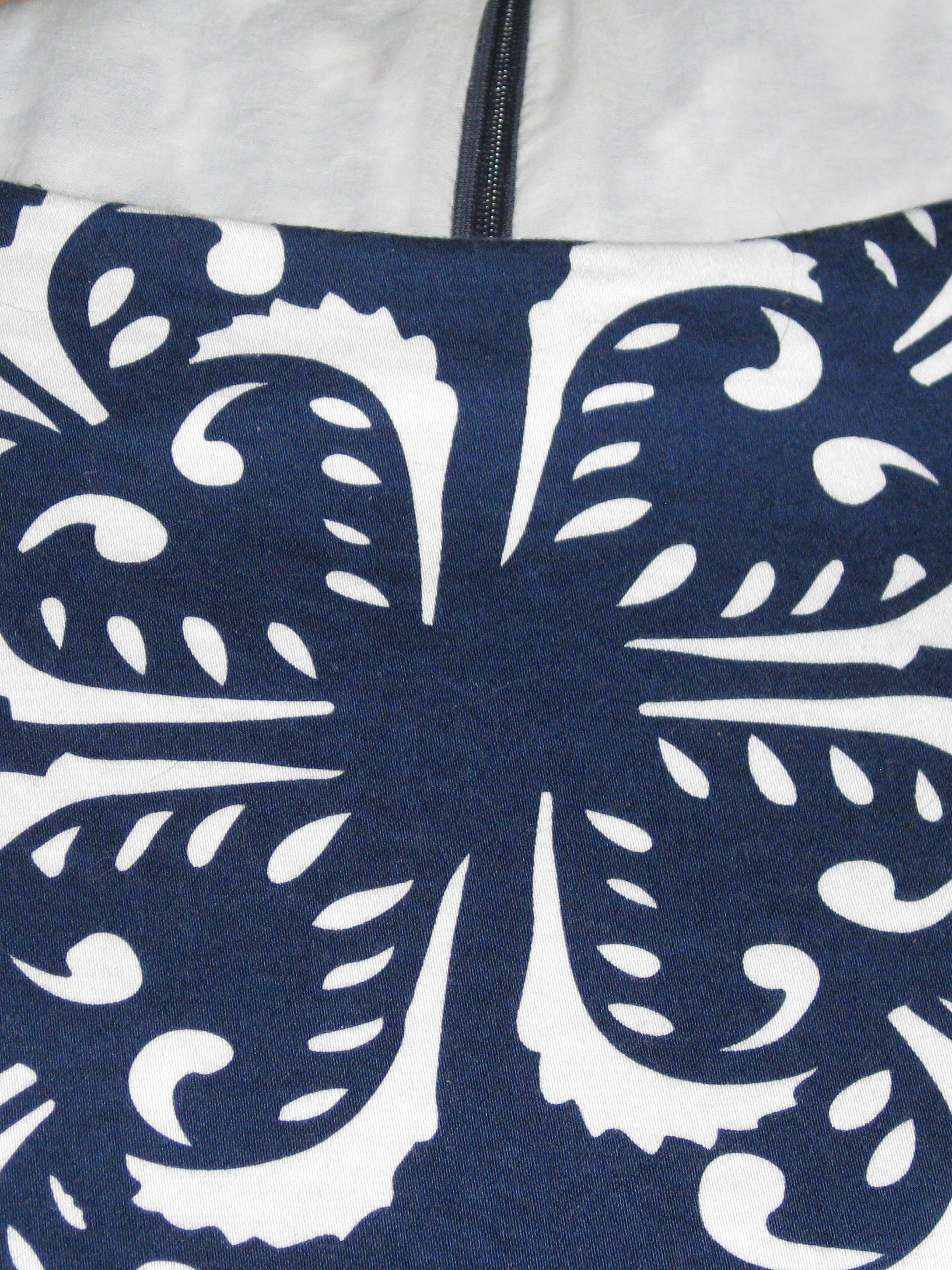
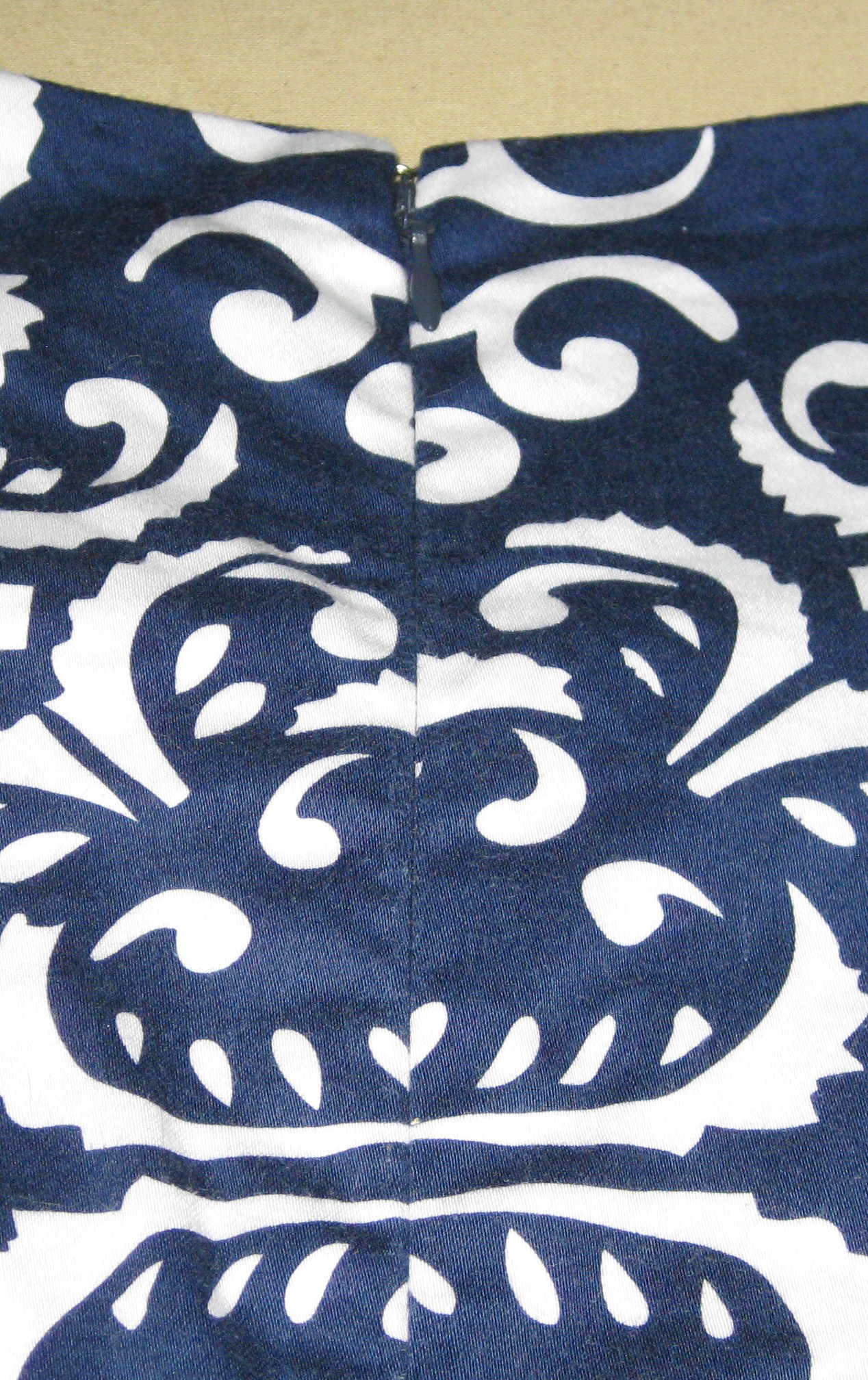
Another example of where pattern matching is important is at the centre front and centre back where there is a zipper inserted.

Medallion pattern centred at front

Medallion pattern centred at front

Matched at centre back seam with invisible zipper.

Matched at centre back seam with invisible zipper.

I hope this helps next time you are buying fabric.

Next week I will be starting a tutorial series covering zippers.

See you then.

Why sew your own clothes?

“Do people still sew?”

“When clothing is plentiful and cheap, why do people bother sewing?”

These are questions I have often been asked when I mention that my business is teaching people to sew their own clothes and I expect such comments are made to many of my students too.

While sewing your own clothing in 2015 is not strictly necessary and will not always save money – as it was and did for our grandmothers – there is much to be said for all the other benefits of  “making your own”.

In a world of mass produced, cheap and often poorly made garments which do not fit properly and do not last beyond a season, there is most certainly a place for a garment which has been made to measure for its wearer and finished to a high standard.  Not only will the wearer have a unique, custom made garment to be proud of, this new favourite for which the style and fabric were chosen especially to flatter, will last well beyond the next season – and when it does reach the end of its life, it can be copied to make another!

For me, the main benefit of making my own clothes is that I know they will fit and flatter and be one of a kind.  I can choose exactly what I want in terms of style and colour.  I can go shopping and look at all the new styles, especially details like collars, pockets, trims, etc. knowing that, with a little ingenuity and technique, I can put my personality into the details I choose to wear.

I really love the creative outlet; trying new techniques and the wonderful sense of achievement when a project comes together.  I love the feel of fabric and the possibilities in each piece I buy.  Every piece of fabric is unique and with the on-going developments in textile manufacturing we always have something different to try and new handling techniques to learn.  Sewing is NEVER boring.

Helping my students discover a passion for sewing is such a joy.   Many new students are surprised at how much they can accomplish after a couple of sessions and that sewing is much more intricate and fascinating than they had expected. Sewing can become a haven of peace where we can control our level of achievement – an opportunity which is often hard to find in a world where our lives are busy, noisy and stressful,

My intention is to post a blog each week, sometimes about my own projects and sometimes a tutorial on a particular technique.

I look forward to your feedback.

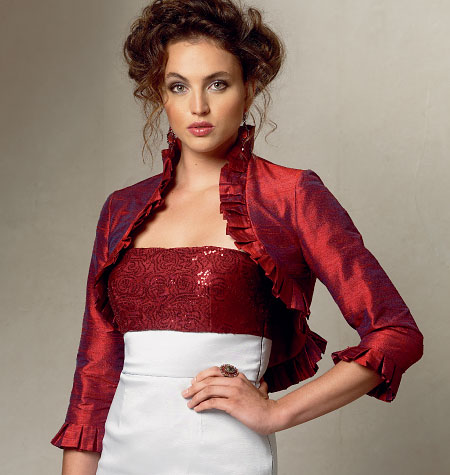
Vogue 8957 View C – Bolero

Welcome to my first blog!

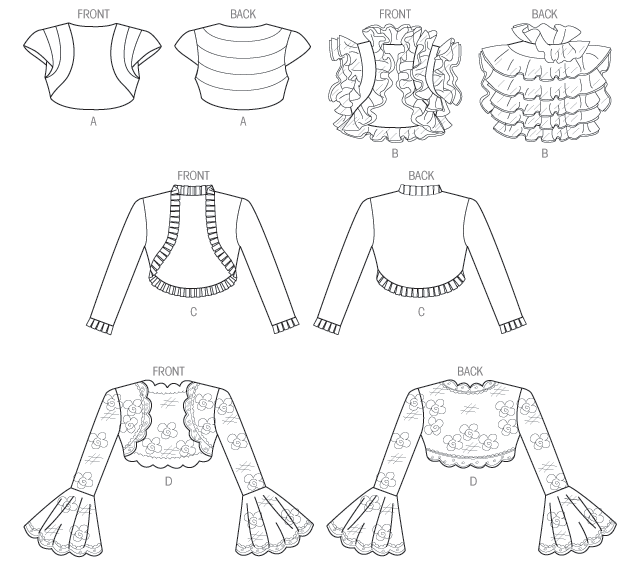
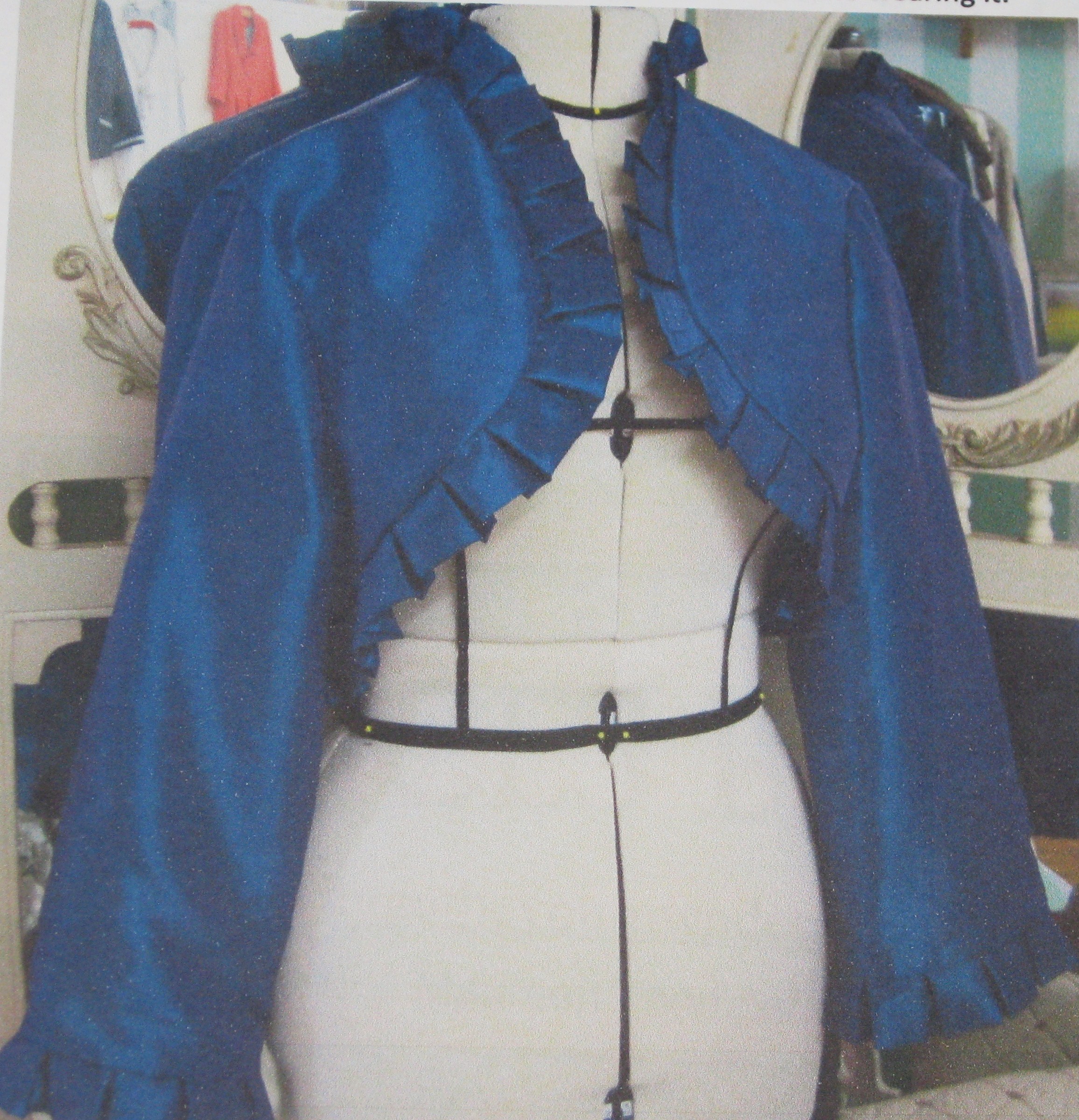
When I saw this pattern (details below from http://www.voguepatterns.com), I thought it would be a very useful wardrobe piece especially for evening functions during the Christmas period.  Many venues are airconditioned and one can feel quite cool when wearing a sleeveless or strappy dress.V8957V8957

The fabric I chose from the wonderful Fabric Collection at Sumner Park is a polyester shot taffeta.  The lining is silk crepe de chine which feels beautiful to wear and prevents static cling from polyester fabrics.

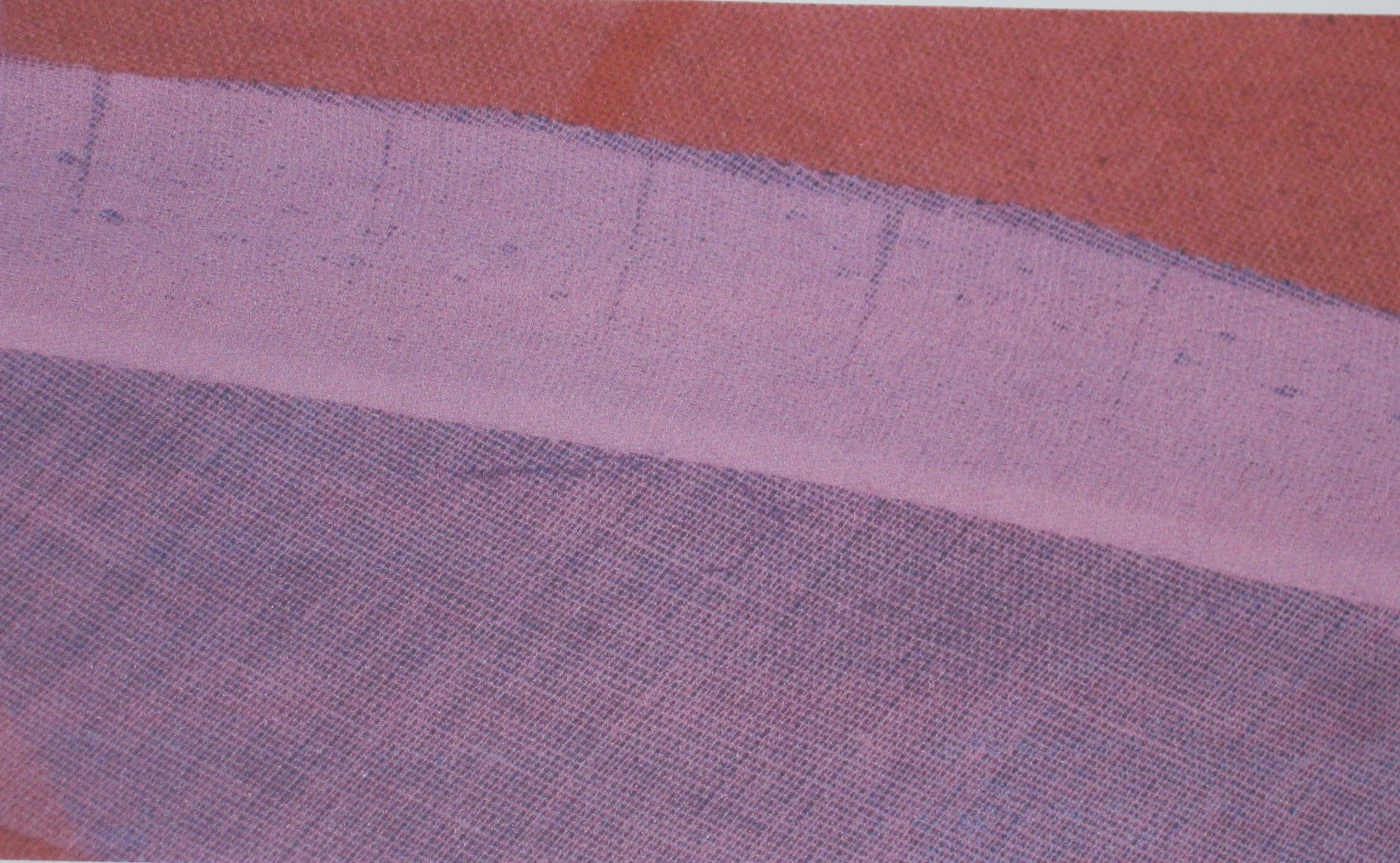
To add structure to the lightweight taffeta fabric, the front and back pieces were interfaced with fusible batiste.  An extra strip of 2cm wide fusible batiste (cut on the lengthwise grain) was added over the seam lines of the outer edge to provide extra support for the weight of the pleated frill.IMG_3560

The pattern is quite a simple design with three major pieces.  Taffeta always frays so I did not use the pattern pieces for the frill, preferring to measure them and cut fabric strips with a rotary cutter to keep the fabric exactly on grain to minimise fraying while the pleats were marked and stitched in place.

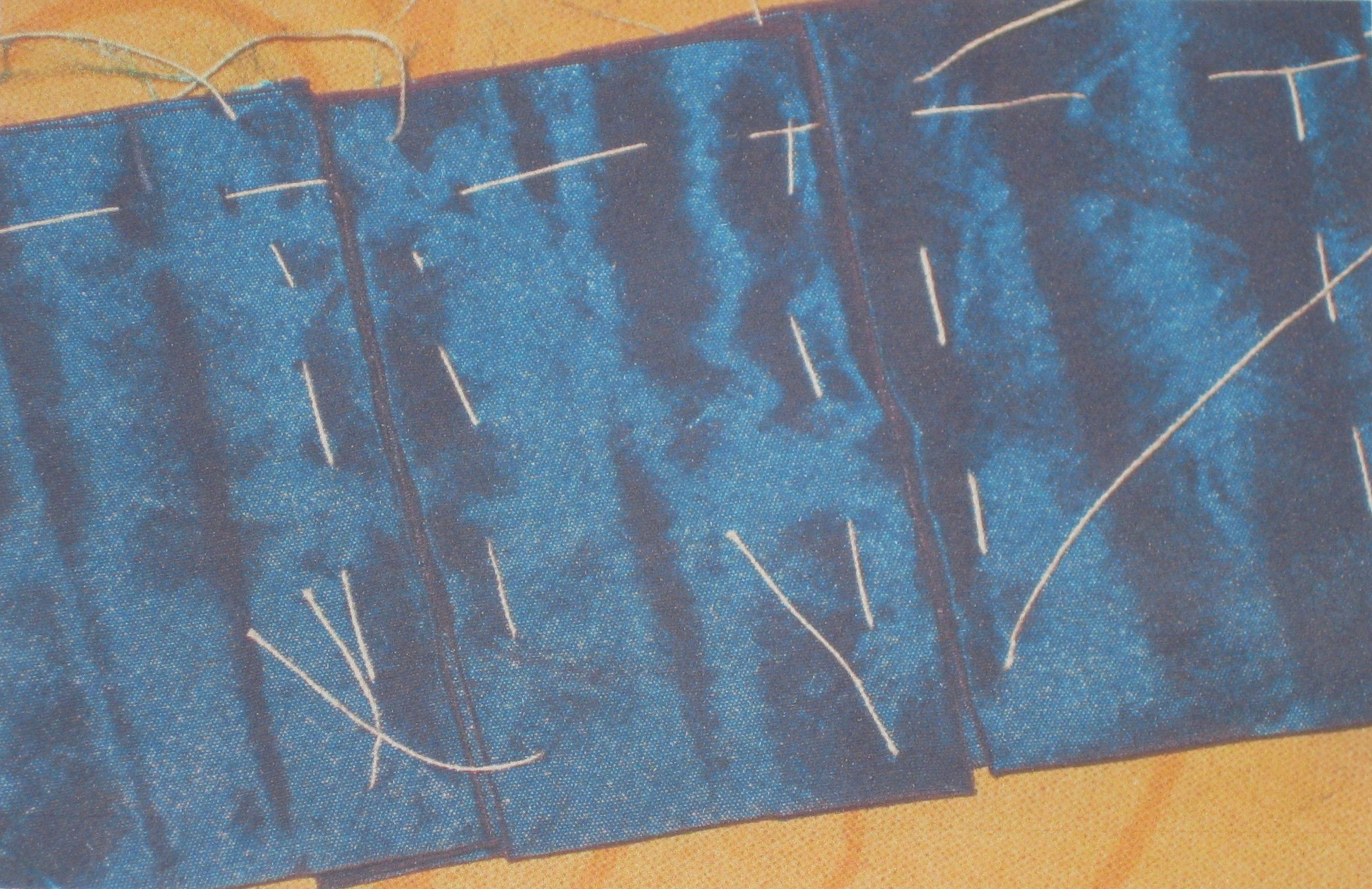
I pin marked the spacing for the pleats and then hand basted the markings to ensure accuracy.  Since the taffeta tended to slip easily against itself, it was easier to control when all the pleat markings were thread basted and tacked in place before machine stitching.IMG_3561

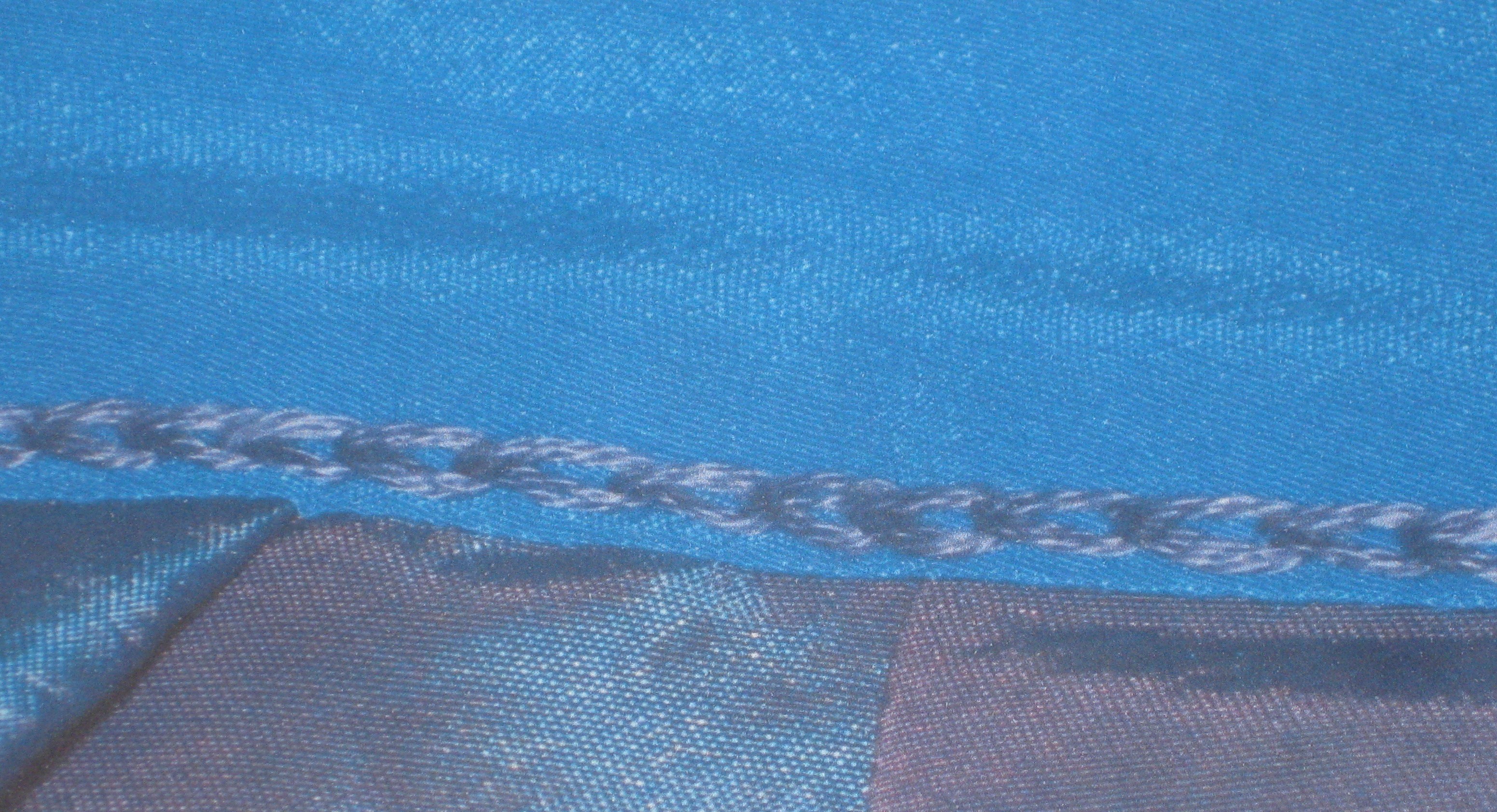
The bolero is lined to the edge so understitching is important to keep the lighter lining fabric in place and prevent it rolling towards the outside.  I chose to use a hand chain stitch to understitch resulting in a finish which is both functional and decorative.IMG_3562

I am very happy with my finished garment and look forward to wearing it.IMG_3563